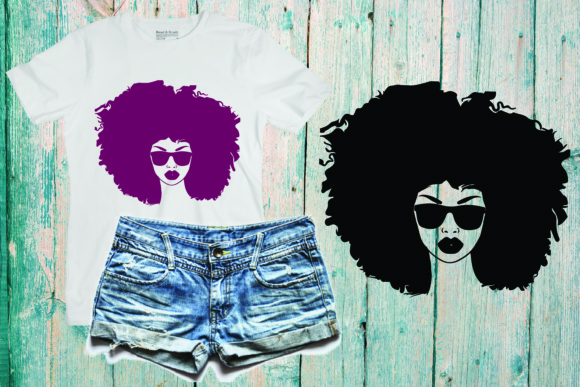
Black Woman Nubian Princess Queen
When you see the phrase Black Woman Nubian Princess Queen, it’s not just a string of evocative words—it’s a resonant identity marker, a cultural anchor, and a source of creative and communicative power. For professionals, educators, content creators, and entrepreneurs, this phrase carries layered significance: historical depth, aesthetic authority, narrative sovereignty, and symbolic resonance. It reflects lineage—Nubia as one of Africa’s earliest advanced civilizations—and affirms the dignity, intelligence, and leadership embodied by Black women across time and context.
A Framework for Authentic Representation
Using Black Woman Nubian Princess Queen intentionally—as part of branding, storytelling, curriculum design, or visual identity—helps ground work in cultural accuracy and self-determined meaning. Unlike generic or externally imposed labels, this phrase centers agency. A freelance illustrator might use it to title a series celebrating regal Black femininity—not as costume, but as continuity. An educator developing anti-bias lesson plans could reference Nubian queens like Amanirenas to illustrate leadership models often omitted from standard history texts. In both cases, the phrase isn’t decorative; it’s functional—a shorthand for rigor, reverence, and relevance.
Why It Strengthens Communication
Clarity begins with naming. When your audience sees Black Woman Nubian Princess Queen, they immediately grasp a constellation of values: heritage, strength, grace under pressure, intellectual sovereignty. That saves time in messaging. A small business owner launching a wellness line for Black women doesn’t need to explain “why empowerment matters”—the phrase itself signals alignment. It also filters for resonance: people who connect with its historical weight and contemporary intention are more likely to engage deeply, not just transactionally.
This isn’t about exclusivity—it’s about precision. Think of it like using “biodynamic farming” instead of “organic gardening.” Both relate to land stewardship, but one conveys specific practices, ethics, and standards. Similarly, Black Woman Nubian Princess Queen invites intentionality in how we speak, write, design, and teach—especially when representing Black womanhood beyond stereotype or trend.
Practical Applications Across Roles
- Content Creators & Bloggers: Embedding Black Woman Nubian Princess Queen into article titles, alt text, or social bios helps attract readers seeking culturally grounded perspectives. One blogger noticed a 40% increase in return visits after reframing her “Self-Care for Black Women” series as “The Black Woman Nubian Princess Queen Self-Anchor Guide”—readers said the new language felt “like coming home to language that holds me.”
- Educators & Curriculum Designers: Using the phrase in unit headings (e.g., “Science & Sovereignty: Black Woman Nubian Princess Queen Innovators”) frames learning within legacy, not deficit. Students respond to narratives where their ancestors built observatories, governed empires, and pioneered medicine—context that makes STEM feel ancestral, not alien.
- Marketers & Brand Strategists: It serves as a north star for voice consistency. A beauty brand pivoted from vague “glow up” messaging to “Black Woman Nubian Princess Queen Radiance”—and saw higher engagement on campaigns featuring elders alongside youth, traditional Adinkra motifs, and unretouched skin textures. The phrase helped unify visual, verbal, and ethical choices.
- Freelancers & Small Business Owners: On websites or proposals, naming this identity signals cultural fluency and reduces misalignment early. A speechwriter specializing in commencement addresses shared that clients now ask, “How do we honor the Black Woman Nubian Princess Queen ethos in this speech?”—a shift from “make it inspirational” to “make it rooted.”
Not a Shortcut—A Commitment
Let’s be clear: Black Woman Nubian Princess Queen is not a branding hack or SEO plug-in. Its value emerges only when paired with understanding and respect. Misusing it—as aesthetic wallpaper, without historical grounding or community awareness—risks flattening rich complexity into cliché. If you’re unfamiliar with Nubian history (its 25th Dynasty rule over Egypt, its matrilineal succession, its scholarship at Meroë), take time to learn before incorporating the phrase meaningfully. Reputable sources include the Smithsonian National Museum of African Art, Dr. Salim Faraji’s scholarship on Kushite queens, and the UNESCO-published Nubia: Ancient Kingdoms of Africa.
It also doesn’t replace nuance. Not every Black woman identifies with royal or regal symbolism—and that’s valid. Some resonate more with “mother,” “healer,” “organizer,” or “visionary.” The power of Black Woman Nubian Princess Queen lies in its specificity, not universality. Use it where it fits—not as a default, but as a deliberate choice aligned with purpose, audience, and authenticity.
When It Fits Best—and When to Pause
This phrase shines in contexts where legacy, dignity, and reclamation are central goals. It supports projects aiming to:
- Counter historical erasure in education or media;
- Elevate Black women’s leadership in professional development spaces;
- Guide visual storytelling that honors texture, tone, and tradition;
- Anchor wellness or spiritual offerings in African cosmologies;
- Signal cultural competence in DEIB initiatives beyond surface-level diversity metrics.
It may be less fitting—or require careful framing—in highly technical documentation (e.g., API specifications), legal contracts, or contexts where neutrality is mandated (e.g., certain government grant applications). Even then, it can inform underlying values—just not appear verbatim.
Also consider audience readiness. A corporate HR team new to inclusive language may benefit first from foundational workshops before adopting terms like Black Woman Nubian Princess Queen. Introduce it with context, not assumption. One DEIB consultant recommends starting with, “This phrase reflects a lineage of leadership many of us were never taught—and it’s gaining resonance because it names what’s been missing.”
Thoughtful Integration Tips
Start small. Try using Black Woman Nubian Princess Queen in one place where it feels natural: a workshop subtitle, an Instagram highlight name, or a personal mission statement. Notice how it lands—with you and others. Does it clarify? Energize? Invite deeper conversation?
Pair it with action. If you feature the phrase in a course description, ensure readings include Nubian archaeology, Black feminist theory, and contemporary Black women leaders. Let the language point to substance—not stand in for it.
Finally, listen. When colleagues, students, or followers respond—whether with enthusiasm, questions, or thoughtful critique—treat that as data. One entrepreneur revised her product packaging after customers asked, “Is this honoring Nubia—or borrowing?” She added a QR code linking to a short video on Queen Amanishakheto’s temple-building legacy. The phrase didn’t change—but its meaning deepened.
Ultimately, Black Woman Nubian Princess Queen works best not as a label to apply, but as a lens to refine through. It sharpens focus on what matters: accurate representation, intergenerational respect, and the quiet power of naming ourselves—on our own terms, with our full history intact.