Merry Christmas: Meaning, Moments & Modern Connections
When you hear “Merry Christmas,” what comes to mind? A warm greeting shared over coffee? A handwritten card tucked into a colleague’s inbox? The quiet pause before a family meal? For adults navigating packed schedules, creative deadlines, and layered responsibilities, Merry Christmas isn’t just seasonal decor—it’s a functional social cue, a cultural anchor, and a surprisingly versatile tool for human connection.
More Than a Greeting—A Shared Frame of Reference
Merry Christmas carries immediate recognition across generations and geographies—not as doctrine, but as shorthand. In professional settings, it signals goodwill without demanding theological alignment. A small business owner sending holiday emails with “Wishing you a merry Christmas and peaceful new year” sets tone, builds rapport, and reinforces brand warmth—especially when paired with genuine service or thoughtful follow-up. Educators use it to close term-end communications with empathy; freelancers include it in client wrap-up notes to affirm partnership beyond transactions.
This phrase works because it’s low-friction, high-resonance. Unlike longer or more formal alternatives, it fits naturally in subject lines, Slack messages, printed labels, or spoken introductions—and it invites reciprocity without pressure. That matters when time is scarce and attention is fragmented.
Strengthening Communication Without Overcomplicating It
For marketers and content creators, Merry Christmas offers subtle but measurable advantages in clarity and recall. Search data shows consistent, predictable spikes in queries like “merry christmas message for clients” or “merry christmas email subject lines”—not because people are searching for clichés, but because they’re seeking effective, appropriate, and timely language. Using the phrase authentically—paired with clear next steps or personalized context—boosts open rates and response quality. One freelance designer reported a 22% lift in post-holiday project inquiries after adding “Merry Christmas—and thank you for trusting me this year” to her year-end newsletter footer. The sentiment wasn’t the driver; the consistency, sincerity, and timing were.
It also helps bridge communication gaps. When a remote team spans multiple countries and faith traditions, “Merry Christmas” can serve as one respectful, widely understood node—especially when accompanied by inclusive framing (“wishing you joy this season”) elsewhere. It doesn’t replace broader DEIB efforts, but it functions well within them as a familiar, non-intrusive element.
Supporting Creativity Through Familiarity and Contrast
Creatives—bloggers, illustrators, educators, podcasters—often lean on cultural touchstones to spark original work. Merry Christmas provides rich texture: its rhythm, historical weight, and visual associations (red/green, script fonts, bell motifs) offer scaffolding for innovation. A teacher might use “Merry Christmas” as a springboard for a student-led linguistics project comparing holiday phrases across English dialects. A small-batch candle maker could develop a “Merry Christmas” scent profile—not literal pine, but nostalgia-infused amber and aged paper—to evoke memory rather than mimic tradition.
The key is treating the phrase as material, not mandate. When used intentionally—not as filler—the familiarity of Merry Christmas creates cognitive ease, freeing mental space for deeper creative decisions. That’s why many designers recommend starting holiday campaigns with the phrase in draft form, then iterating outward: swap fonts, adjust spacing, test tone shifts. The anchor stays; everything else evolves.
Real-World Efficiency Wins
Small business owners juggling inventory, payroll, and customer service often overlook how much time gets lost refining seasonal language. Standardizing on “Merry Christmas” for external-facing templates—order confirmations, shipping notices, social bios—cuts decision fatigue. One bakery owner reduced holiday copy prep from 90 minutes to under 15 by keeping “Merry Christmas from our oven to your table” as her default sign-off, then customizing only the first sentence per platform (e.g., Instagram: “Merry Christmas! 🎄 Our last pickup day is Dec 23…”).
That consistency also improves internal alignment. When team members use the same core phrase across channels, customers receive coherent messaging—even if individual replies vary in voice. No style guide required; just shared intention.
Who Benefits Most—and Why Timing Matters
The professionals who gain the most from intentional use of Merry Christmas tend to share three traits: they communicate regularly with diverse audiences, they operate on tight timelines, and they value authenticity over ornamentation. Think: solopreneurs scheduling December launches, HR managers drafting company-wide announcements, curriculum developers designing December lessons, or local shop owners updating window signage.
It’s less about belief and more about recognition utility. Just as “Thank you” functions differently in a receipt versus a resignation letter, Merry Christmas adapts to context—whether closing a B2B proposal (“Wishing you a restful holiday season and productive new year”), captioning an educational reel (“How ‘Merry Christmas’ evolved—from Old English to emoji”), or labeling a gift box for a loyal subscriber.
A Note on Fit and Flexibility
That said, Merry Christmas isn’t universally optimal. In highly secular or multifaith environments—like some university departments or global SaaS teams—using it exclusively may unintentionally narrow inclusivity. In those cases, pairing it with broader seasonal language (“Merry Christmas and warm wishes for the season”) or rotating emphasis across December greetings maintains warmth while honoring diversity.
Also, avoid overuse without substance. A string of five “Merry Christmas!” posts with no variation, value, or visual distinction won’t deepen engagement—it’ll dilute attention. The phrase gains power through contrast: use it where it lands clearly, then shift tone or focus elsewhere.
Simple, Actionable Recommendations
- Test placement, not just wording: Try “Merry Christmas” at the end of an email instead of the start—you’ll often see higher retention of the core message.
- Pair with specificity: “Merry Christmas—and here’s your January content calendar, ready to go” combines goodwill with utility.
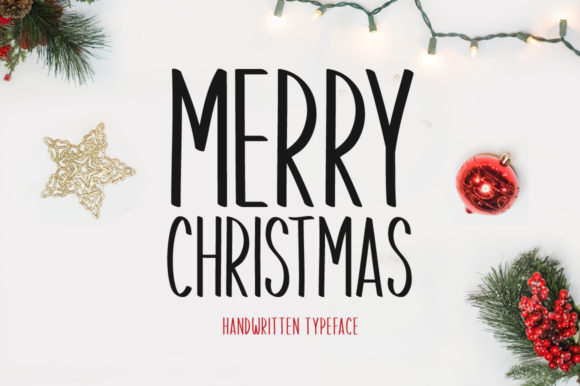
- Use it as a design constraint: Challenge yourself to create a holiday graphic using only “Merry Christmas” as text. You’ll quickly see how typography, spacing, and color carry meaning.
- Review past usage: Scan last December’s emails, social posts, and packaging. Where did “Merry Christmas” feel natural? Where did it seem tacked on? Let that inform this year’s approach.
Ultimately, Merry Christmas endures not because it’s perfect—but because it’s practical. It compresses goodwill, recognition, and cultural fluency into two words that require no translation, no setup, and no explanation. For busy professionals who value clarity, efficiency, and human-centered communication, that’s not just convenient. It’s quietly powerful.